


Natural
Testosterone
Optimization
A comprehensive guide for men in their 30s and beyond seeking to boost testosterone through evidence-based lifestyle interventions

Key Findings
Most Effective Strategies
- Strength training with compound exercises
- 7-9 hours of quality sleep
- Stress management to lower cortisol
- Testosterone-supportive diet
Critical Avoidance
- Excessive alcohol consumption
- Endocrine-disrupting chemicals
- Sedentary lifestyle
- Excess body weight
Introduction
For men in their 30s and beyond looking to naturally increase testosterone, the most effective strategies involve a combination of lifestyle and dietary changes. The natural decline in testosterone production that begins in a man's 30s can significantly impact energy levels, muscle mass, libido, and overall well-being.
The top methods include prioritizing strength training with compound exercises, optimizing sleep for 7-9 hours per night, managing stress to lower cortisol, adopting a diet rich in healthy fats and key micronutrients like zinc and vitamin D, and maintaining a healthy body weight.
Concurrently, it is crucial to:
- Limit alcohol consumption
- Minimize exposure to endocrine-disrupting chemicals
- Avoid a sedentary lifestyle
1. Strength Training and Resistance Exercise
The Impact of Lifting Weights on Testosterone
Engaging in regular strength training is one of the most effective, scientifically-backed methods for men over 30 to naturally boost testosterone levels. Research published in the Journal of Applied Physiology has demonstrated that structured resistance training can lead to a significant increase in testosterone, with studies showing a rise of 15-20% in men in this age group [439].
Dr. James Hotaling, a urologist and men's health expert at the University of Utah Health, highlights that exercise, particularly weightlifting, is one of only three proven methods to naturally raise testosterone [443]. The benefits extend beyond just testosterone, as resistance training also stimulates the production of human growth hormone (HGH), which in turn can further drive testosterone production.
Compound Exercises for Maximum Hormonal Response
To maximize testosterone-boosting effects, focus on compound exercises—multi-joint movements that engage multiple muscle groups simultaneously. The most effective compound exercises include squats, deadlifts, bench presses, and overhead presses [439].
Top Compound Exercises
-
Squats
Full body stimulus, core engagement
-
Deadlifts
Maximum muscle recruitment
-
Bench Press
Upper body compound movement
-
Overhead Press
Shoulder and core strength
Training Intensity Guidelines
- Load Percentage: 75-85% 1RM
- Rep Range: 6-8 repetitions
- Set Duration: 30-60 minutes
- Rest Between Sets: 2-3 minutes
Recommended Frequency and Intensity
For men in their 30s and beyond, research suggests aiming for 3 to 4 strength training sessions per week [439]. This frequency allows for adequate recovery between sessions, which is crucial for hormonal adaptation.
Dr. Hotaling's Recommendation
"Even lifting weights as infrequently as twice a week for 30 to 40 minutes can make a significant difference in testosterone levels."— Dr. James Hotaling, University of Utah Health [443]
2. Optimize Sleep Quality and Duration
The Critical Link Between Sleep and Testosterone
The relationship between sleep and testosterone is critical yet often overlooked. A University of Chicago study found that men who slept less than 5 hours per night for just one week experienced a 10-15% reduction in testosterone levels [439].
Sleep Deprivation and Hormonal Disruption

Sleep Loss Impact
- • 10-15% testosterone reduction in one week
- • Disrupted HPG axis signaling
- • Elevated cortisol levels
- • Impaired muscle recovery
Optimal Sleep Benefits
- • Peak testosterone production during deep sleep
- • Enhanced growth hormone release
- • Improved insulin sensitivity
- • Better stress regulation
Strategic Sleep Hygiene
For men in their 30s and beyond, achieving 7 to 9 hours of quality sleep per night is essential for hormonal health [439] [457].
Consistent Schedule
- • Same bedtime and wake time
- • Even on weekends
- • Regulate circadian rhythm
- • Set phone reminders
Optimal Environment
- • Cool room (65-68°F)
- • Complete darkness
- • White noise machine
- • Comfortable mattress
Digital Detox
- • No screens 1 hour before bed
- • Blue light blocking glasses
- • Night mode on devices
- • Reading physical books
3. Manage Stress and Lower Cortisol Levels
The Cortisol-Testosterone Connection
The relationship between stress, cortisol, and testosterone operates like a seesaw. When the body is under chronic stress, it produces elevated levels of cortisol. Cortisol and testosterone are both synthesized from the same precursor hormone, pregnenolone. When demand for cortisol is consistently high, the body prioritizes cortisol production over testosterone—a phenomenon known as "pregnenolone steal" [457].
Effective Stress-Reduction Techniques

Physical Activity
Regular exercise metabolizes excess stress hormones and releases endorphins [439].
Mindfulness & Meditation
Breaks the cycle of chronic stress and reduces cortisol levels effectively.
Deep Breathing
Activates the parasympathetic nervous system, promoting relaxation.
Social Connections
Strong relationships buffer against negative effects of stress.
4. Adopt a Testosterone-Supportive Diet
Balanced Macronutrient Intake
Each macronutrient plays a unique role in hormonal health. Protein supports muscle repair, healthy fats are building blocks for testosterone, and complex carbohydrates fuel physical activity [457].
Protein
Essential for muscle repair and hormone synthesis.
Healthy Fats
Building blocks for steroid hormones including testosterone.
- • Monounsaturated fats
- • Polyunsaturated fats
- • Omega-3 fatty acids
Carbohydrates
Primary energy source for workouts and recovery.
- • Complex carbohydrates
- • Whole grains
- • Fruits & vegetables
Key Micronutrients for Testosterone Production
Zinc: The Essential Mineral

Vitamin D: The Sunshine Hormone


The Critical Role of Healthy Fats
Healthy fats are the fundamental building blocks of steroid hormones, including testosterone. The body uses cholesterol to synthesize testosterone in the Leydig cells of the testes [439]. A study found that men consuming extra virgin olive oil for three weeks experienced significant testosterone increases [427].
Healthy Fats to Include
- Extra virgin olive oil
- Avocados
- Nuts and seeds
- Fatty fish
Fats to Limit/Avoid
- Trans fats
- Excessive saturated fats
- Processed vegetable oils
- Fried foods
5. Maintain a Healthy Body Weight
The Obesity-Testosterone Connection
There is a strong inverse relationship between obesity and testosterone levels. Men with a BMI over 30 typically have significantly lower testosterone than healthy-weight men [439].
Expert Insight
"Even losing as little as 15 to 20 pounds can make a huge difference in testosterone levels."— Dr. James Hotaling, University of Utah Health [443]
Obesity's Impact
- • Increased inflammatory substances
- • Direct endocrine system disruption
- • Elevated aromatase activity
- • Insulin resistance development
Weight Loss Benefits
- • Reduced aromatase activity
- • Improved insulin sensitivity
- • Decreased inflammation
- • Enhanced hormonal balance
Sustainable Weight Management Strategies
The most effective weight management involves gradual, sustainable lifestyle changes rather than crash diets. This includes creating a moderate caloric deficit through healthy diet and regular physical activity [439].
Caloric Deficit
- • Moderate 300-500 calorie deficit
- • Track food intake
- • Focus on nutrient density
- • Avoid extreme restrictions
Exercise Strategy
- • Strength training 3-4x/week
- • Cardiovascular exercise
- • Daily movement goals
- • Progressive intensity increases
Professional Support
- • Nutritionist consultation
- • Personal trainer guidance
- • Regular health monitoring
- • Personalized plan development
6. Limit Alcohol Consumption
Impact on Testosterone Production
Excessive alcohol consumption can severely suppress testosterone production. Studies show chronic alcohol use can reduce testosterone levels by as much as 23% [439].
Multiple Impact Mechanisms
- Direct damage to Leydig cells in testes [455]
- Interference with luteinizing hormone release
- NAD+ diversion to alcohol metabolism
- Increased cortisol production
Phytoestrogen Concerns
Beer contains phytoestrogens from hops that can interfere with hormonal balance [455].
- • 8-prenylnaringenin compounds
- • Estrogenic effects in large quantities
- • Potential testosterone suppression

Quick Facts
- • Testosterone synthesis paused during alcohol metabolism
- • Heavy drinking = 23% testosterone reduction
- • Beer phytoestrogens may compound effects
Recommended Limits for Alcohol Intake
To minimize negative impact on testosterone levels, general guidelines recommend men limit alcohol consumption to no more than two drinks per day [439].
Beer
Limit to 2 drinks/day, consider alcohol-free days
Wine
Moderate consumption may have less impact than beer
Spirits
Higher alcohol concentration, limit carefully
Strategic Approach
- Include several alcohol-free days per week
- Stay well-hydrated when consuming alcohol
- Avoid alcohol close to bedtime
- Consider individual tolerance and sensitivity
7. Minimize Exposure to Endocrine Disruptors
Common Endocrine Disruptors in Daily Life
Endocrine disruptors are chemicals that interfere with the body's hormonal system, potentially lowering testosterone levels. These chemicals are ubiquitous in modern life and require strategic avoidance.
Bisphenol A (BPA)
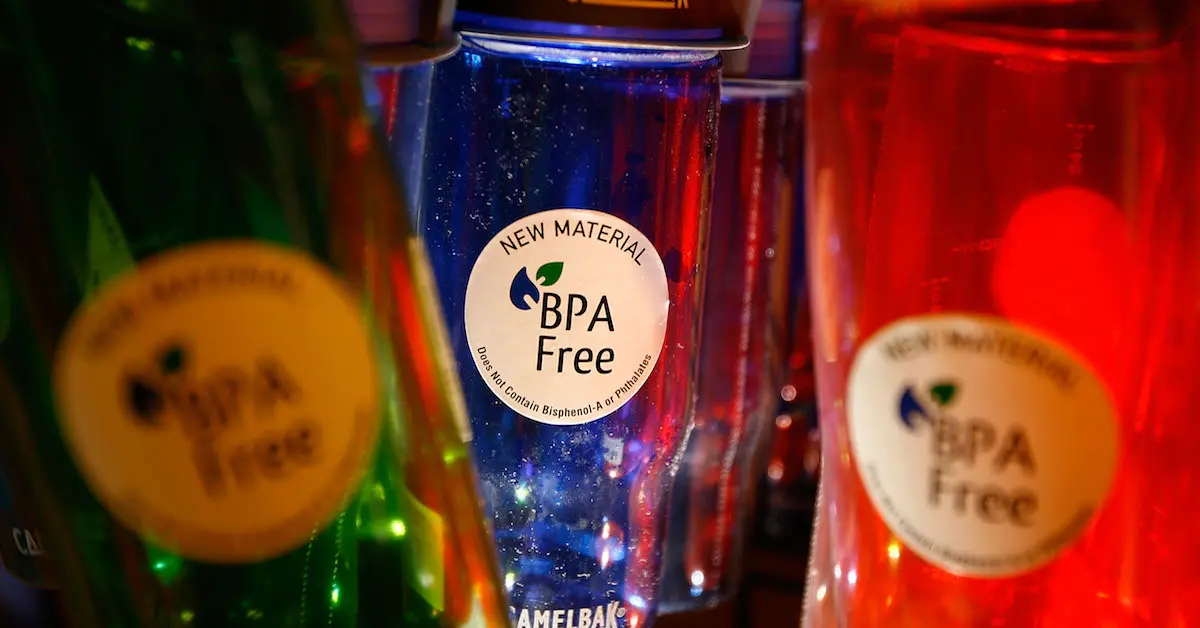
Found in polycarbonate plastics and epoxy resins, commonly in food containers and can linings. BPA mimics estrogen and can interfere with testosterone production.
Common Sources:
- • Plastic water bottles
- • Food storage containers
- • Canned food linings
- • Thermal receipt paper
Phthalates
Used to make plastics flexible and as solvents in personal care products. Phthalates can interfere with testosterone production and are absorbed through skin.
Common Sources:
- • Fragranced products
- • Shampoos and soaps
- • Lotions and cosmetics
- • Vinyl products

Pesticides and Herbicides
Agricultural chemicals with anti-androgenic effects that can block testosterone action. Found on conventional produce and in animal products.
Common Sources:
- • Conventionally grown produce
- • Non-organic meat and dairy
- • Contaminated water sources
- • Household pest control products

Practical Reduction Strategies
Food & Beverage Safety
- • Glass or stainless steel containers
- • BPA-free canned goods
- • Avoid microwaving in plastic
- • Choose organic produce when possible
- • Thoroughly wash all produce
Personal Care Products
- • Choose "phthalate-free" products
- • Select "fragrance-free" options
- • Read ingredient labels carefully
- • Use natural/organic brands
- • Make DIY cleaning products
Water & Air Quality
- • Use quality water filter
- • Install air purifiers
- • Ensure good ventilation
- • Check local air quality
- • Avoid outdoor activities during poor air quality
Priority Action Steps
Start with these high-impact changes to significantly reduce endocrine disruptor exposure:
- Switch to glass food storage containers immediately
- Replace plastic water bottles with stainless steel
- Choose phthalate-free personal care products
- Install a water filtration system
- Prioritize organic for the "Dirty Dozen" produce
8. High-Intensity Interval Training (HIIT)
HIIT vs. Steady-State Cardio
High-Intensity Interval Training (HIIT) involves short bursts of intense activity followed by brief rest periods. Research shows HIIT is more effective than steady-state cardio for boosting testosterone levels, while also being more time-efficient.
HIIT Advantages
- • Significant metabolic demand
- • Testosterone and growth hormone release
- • Time-efficient (20-30 minutes)
- • Fat burning while preserving muscle
- • Improved cardiovascular fitness
Steady-State Limitations
- • Long duration requirements
- • Potential muscle loss
- • Lower hormonal response
- • Time-consuming
- • Can increase cortisol with excessive duration
Sample HIIT Workouts for Testosterone Boosting
Sprint Intervals
30/90 Protocol
- • 30 seconds all-out sprint
- • 90 seconds walking recovery
- • Repeat 10-15 rounds
- • Total duration: 20-30 minutes
Equipment Options
- • Outdoor track
- • Treadmill
- • Stationary bike
- • Rowing machine
Bodyweight HIIT
30/30 Protocol
- • 30 seconds maximum effort
- • 30 seconds rest
- • Repeat 10-15 rounds
- • Total duration: 15-20 minutes
Exercise Selection
- • Burpees
- • Mountain climbers
- • Jumping squats
- • High knees
Weekly Integration Strategy
Balance HIIT with strength training for optimal results:
Recommended Schedule:
- • 3-4 days strength training
- • 2-3 days HIIT
- • 1-2 days rest/active recovery
- • Never HIIT and strength on same day
Progression Guidelines:
- • Start with 1-2 HIIT sessions/week
- • Gradually increase intensity
- • Monitor recovery and adaptation
- • Adjust based on recovery capacity
9. Strategic Supplementation
Scientifically Supported Supplements
While diet and lifestyle form the foundation, certain supplements can benefit those deficient in key nutrients. Always consult a healthcare provider before starting any supplement regimen.
Vitamin D3
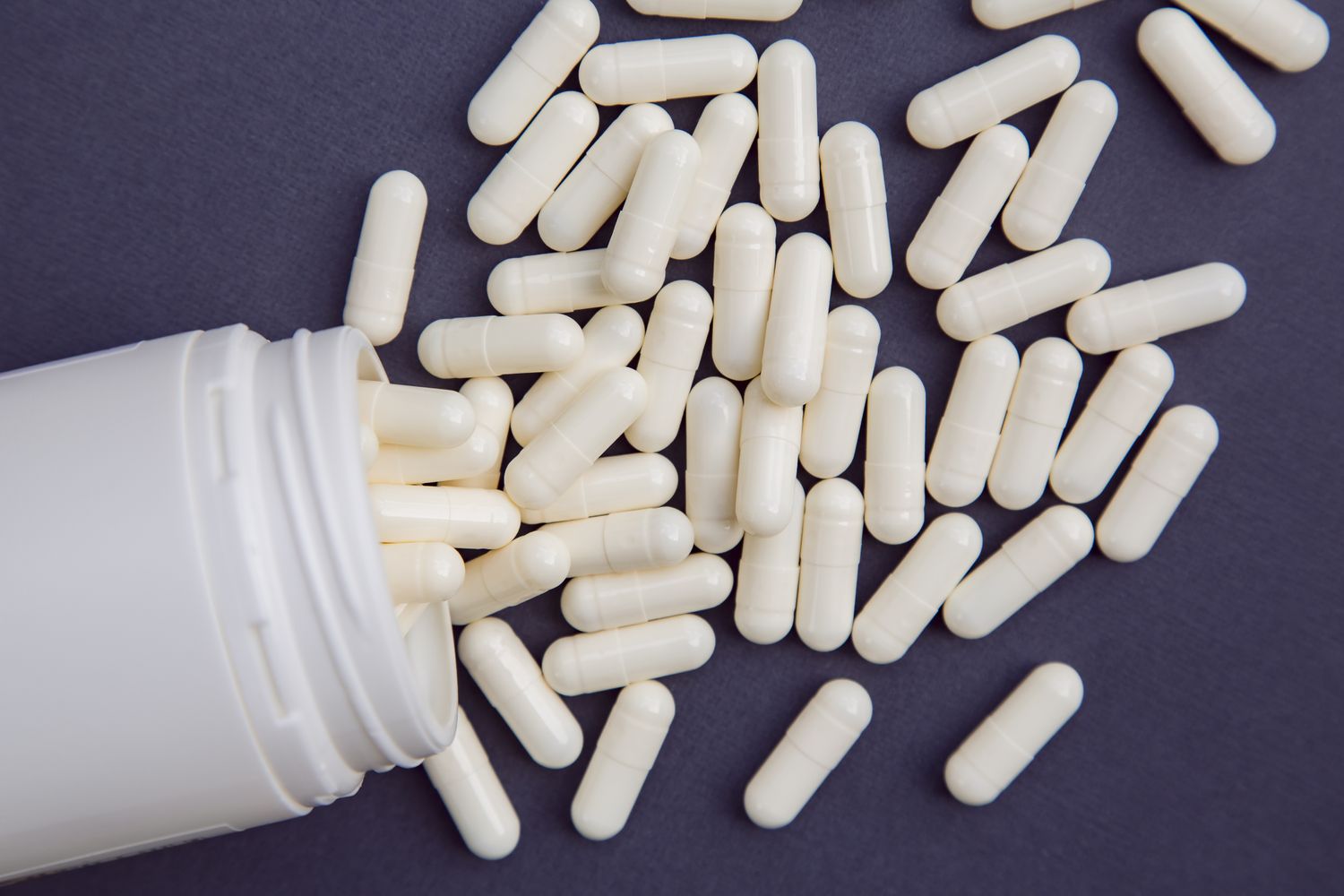
The most bioactive form of vitamin D. Research shows men taking 3,300 IU daily increased testosterone by 20% over a year [445].
Key Benefits:
- • Essential for hormone regulation
- • Supports bone health
- • Boosts immune function
- • Most effective supplementation form

Zinc and Magnesium (ZMA)
ZMA supplementation has been shown to increase testosterone levels, particularly in men deficient in these minerals. Also supports sleep quality and recovery [445].
Combined Benefits:
- • Enhanced testosterone production
- • Improved sleep quality
- • Better exercise recovery
- • Convenient combination supplement
Anecdotal and Alternative Supplements
While evidence is less conclusive, some men may find benefits from these alternative supplements. Approach with healthy skepticism and research thoroughly.
Ashwagandha
Adaptogenic herb used in Ayurvedic medicine to reduce stress and anxiety. Some studies show testosterone increases, particularly in stressed men.
Fenugreek
Herb shown to improve libido and sexual function. May increase free testosterone by inhibiting 5-alpha-reductase enzyme activity.
D-Aspartic Acid
Amino acid that may stimulate LH release from pituitary gland, signaling testes to produce more testosterone.
Important Considerations
- Always consult healthcare provider before starting supplements
- Evidence quality varies significantly between supplements
- Quality and purity vary between brands
- Potential interactions with medications
Your Path to Natural Testosterone Optimization
The journey to optimal testosterone levels involves a comprehensive approach combining evidence-based lifestyle interventions, strategic nutrition, and consistent healthy habits.
Key Takeaways
- • Strength training is the most effective natural method
- • Sleep quality directly impacts testosterone production
- • Stress management is crucial for hormonal balance
- • Nutrition provides the building blocks for hormones
- • Lifestyle factors compound for optimal results
Implementation Strategy
- • Start with 2-3 key changes
- • Build consistency before adding more
- • Track progress and adjust as needed
- • Consider professional guidance
- • Be patient—results take time
"Natural testosterone optimization is not about quick fixes—it's about creating sustainable lifestyle habits that support long-term hormonal health and overall well-being."
10. Build Strong Social Connections and Healthy Lifestyle
The Impact of Social Isolation on Hormonal Health
Social isolation and loneliness can significantly impact hormonal health, including testosterone levels. Studies show socially isolated men tend to have lower testosterone than those with strong social connections. This is likely due to increased stress and associated cortisol elevation.
Isolation Effects
Connection Benefits
Building Connections
Positive Mindset and Avoiding Sedentary Lifestyle
Mental Well-being
A positive mindset and good mental health are crucial for hormonal balance. Chronic stress, anxiety, and depression can negatively impact testosterone levels.
Positive Practices:
Active Lifestyle
A sedentary lifestyle is one of the biggest enemies of testosterone. Regular movement signals the body to produce testosterone and improves circulation.
Daily Movement:
Comprehensive Lifestyle Approach
Weekly Activity Goals:
Social Engagement: